
Retina
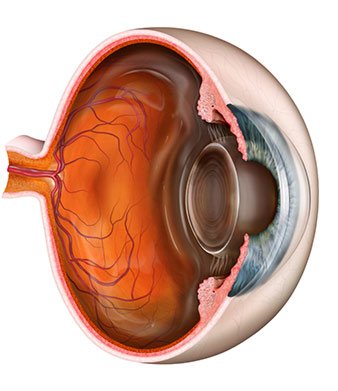
What is Retina?
Retina is the innermost layer of the eye and is light sensitive in nature. When we see an object, the light rays pass through the lens in our eyes and fall on the retina. They get converted into neural signals/impulses here and the optic nerve carries these visual stimuli to the brain that translates them back as images. Now if you are a Harry Potter fan, then consider the retina as the platform 9 ¾ (the entry point to the world of magic). If something goes wrong here, then nothing reaches your center for imagination (the brain) and your vision to the beautiful world stays completely cut-off.Although pterygium is not life-threatening, it can be progressive, requiring medical intervention in some cases. Early detection and management can prevent complications, making awareness essential for individuals at risk.
The Story behind the scenes
The retinal layer is present in the back of the eye and almost at its center it is a pigmented portion called the Macula. It is this pigmented portion that attributes to the sharpness of vision, be it when you are reading a newspaper or driving your car. Retinal disorders could either affect the entire retina or the macula alone. Here are some common ailments affecting the retina:
- Diabetic Retinopathy – this develops in patients affected by diabetes
- Retinal Degeneration – involves degeneration of the retina due to death of its cells
- Macular Degeneration – cells of the macula deteriorate leading to blurry vision
- Macular hole – yes, you guessed it right; it’s a hole in the macula which could lead to distorted imaging
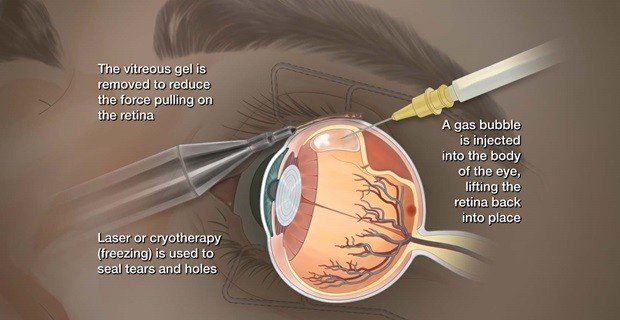
- Retinal Detachment – a condition where the retina is torn and is pulled away from the back of the eye
Appointment Making System
Our Eye care professionals will help you determine the most convenient time and schedule an appointment that suits your needs.
Book An AppointmentDid you know?
The Retina covers almost 65 percent of the inner surface of the eye. The retina makes its first appearance in a foetus’s eyes when it’s just 8 weeks inside the womb. From then on, it grows rapidly and can pick up light signals as early as the 16th week of foetal development.
Retinal Treatment
Repairing this inner layer of the eye could be quite a challenge and requires a great skill and competency. From oil based medical injections to Laser to Freezing (cryopexy) to Vitrectomy, the type of treatment can be decided by the doctor only after thorough investigation, on a case-by-case basis.
Retinal Problems
Floaters, eye flashes and sudden onset of blurry vision are the most common symptoms that can scream loud of a retinal problem. If it’s a child, a white pearl in the kid’s eyes could indicate a retinal complication. Especially if the child was born preterm, it becomes absolutely essential to do a retinal evaluation to rule out retinopathy of prematurity.
A retina specialist would do a thorough investigation to understand the issue. It could involve scanning of the eyes, measuring the eye pressure, and even check electrical conduction from the retina to the various parts of the brain so as to ascertain normal functioning.
The Retina covers almost 65 percent of the inner surface of the eye. The retina makes its first appearance in a foetus’s eyes when it’s just 8 weeks inside the womb. From then on, it grows rapidly and can pick up light signals as early as the 16th week of foetal development.
Frequently Asked Questions (FAQs) About Retina
The retina is a crucial component of the eye responsible for converting light into neural signals that the brain interprets as vision. It acts like the film in a camera, capturing images and sending them to the brain through the optic nerve.
The anatomy of the retina plays a vital role in vision health. Its layers contain specialized cells, including photoreceptors like rods and cones, which detect light and color. Any disruption in the structure or function of the retina can lead to vision problems, such as blurry vision, loss of peripheral vision, or even blindness if left untreated. Conditions like macular degeneration, diabetic retinopathy, and retinal detachment can result from issues with the retina.
Signs of retina problems can vary depending on the specific condition but may include symptoms like sudden or gradual vision loss, floaters (spots or cobweb-like shapes) in the field of vision, flashes of light, distorted or wavy vision, and difficulty seeing in low light conditions. It's essential to seek immediate medical attention if you experience any of these symptoms to prevent further damage to your vision.