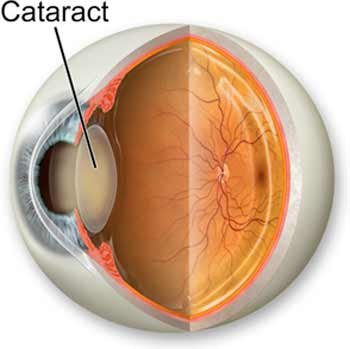
An eye cataract forms when the lens of the eye becomes cloudy, making it harder to see clearly. The lens, which is normally clear, helps focus light on the retina to produce sharp vision. When it becomes cloudy, it can cause cataract symptoms like blurry vision, glare, and trouble with night driving. Although common in older adults, eye cataracts can also be caused by injuries, medical conditions, or prolonged UV exposure. Cataracts progress slowly but can be effectively treated with modern surgical techniques.
Appointment Making System
Our Eye care professionals will help you determine the most convenient time and schedule an appointment that suits your needs.
The Most Common Cataract Symptoms Include: Cataract symptoms vary depending on the type and stage of the cataract. Common cataract signs and symptoms in the eye include:
• Cloudy or Blurred Vision: Objects may appear fuzzy, and vision may feel foggy or unclear.
• Sensitivity to Light and Glare: Bright sunlight, headlights, or even indoor lighting can cause discomfort and difficulty seeing.
• Poor Night Vision: Difficulty seeing in low light or during nighttime activities, such as driving, is common.
• Fading or Yellowed Colors: Colors may lose their vibrancy, appearing dull or washed out.
• Halos Around Lights: Seeing halos or rings around bright lights, especially at night.
• Double Vision in One Eye: Some patients report seeing double images due to the clouded lens.
What are the Causes of Cataract?
There are several causes of cataract, with aging being the most common. Other factors that lead to the formation of cataracts include:
• Aging: Natural changes in the lens cause protein breakdown and cloudiness, resulting in cataracts.
• Eye Injuries: Trauma to the eye can lead to cataract formation, either immediately or years later.
• Family History: A family history of cataracts increases the risk.
• Medical Conditions: Conditions like diabetes significantly increase the likelihood of developing cataracts.
• UV Exposure: Prolonged exposure to ultraviolet rays without proper eye protection can damage the lens.
• Steroid Use: Long-term use of corticosteroids can accelerate cataract formation.
• Smoking and Alcohol: Both habits contribute to oxidative damage in the eye and increase the risk of cataracts.
Cataract Risk Factors
The risk of developing cataracts increases due to several factors. Common cataract risk factors include:
• Aging: The natural aging process is the leading cause of cataracts.
• Genetics: A family history of cataracts can increase your likelihood of developing them.
• Medical Conditions: Diabetes is a major risk factor due to its impact on eye health.
• Prolonged UV Exposure: Without proper eye protection, UV light can damage the lens.
• Smoking: Smoking introduces harmful chemicals that damage the eyes.
• Obesity: Being overweight is linked to higher chances of cataracts.
• Alcohol Consumption: Heavy alcohol use can contribute to cataract formation.
How to Prevent Eye Cataract
While not all cases of cataracts can be prevented, adopting healthy habits can help delay their onset. Here’s how you can reduce your risk of developing eye cataract symptoms:
• Wear UV-Protective Sunglasses: Protect your eyes from the harmful effects of ultraviolet light.
• Maintain a Balanced Diet: Include antioxidant-rich foods like leafy greens, carrots, and citrus fruits in your meals.
• Quit Smoking: Smoking damages eye tissues and contributes to cataract formation.
• Control Medical Conditions: Proper management of diabetes and other health issues can reduce the risk of cataracts.
• Limit Alcohol Consumption: Reducing alcohol intake helps protect overall eye health.
• Regular Eye Check-Ups: Routine eye exams allow for early detection and management of cataracts.
Post-Surgery Care and Recovery Tips
To ensure proper healing after cataract surgery, follow these tips:
• Wear Protective Eyewear: Use goggles or wraparound glasses to protect your eyes from dust and sunlight during waking hours.
• Use Prescribed Eye Drops: Follow the schedule recommended by your doctor to prevent infection and reduce inflammation.
• Avoid Touching or Rubbing Your Eyes: This prevents irritation or the risk of infection.
• Avoid Strenuous Activities: Refrain from heavy lifting or exercise for the first few weeks.
• Attend Follow-Up Appointments: Regular check-ups ensure the eye is healing properly.
Most patients experience improved vision within a week, with full recovery in 4-6 weeks.
Cataract Diagnosis & Treatment
For a safe and effective medical treatment of cataract, We provide a safe eye cataract treatment based on the type of cataract, including cortical cataract, intumescent cataract, nuclear cataract, posterior subcapsular cataract, rosette cataract, and traumatic cataract. We also provide paediatric cataract treatment and effectively cater to complicated cataract treatment.
Reach out to our team for thorough analysis, treatment options, and prevention tips!
Cataract Diagnosis
The eye care specialists of our hospital diagnose cataract with a comprehensive eye examination. To identify cataract, your eye doctor analyses your medical history. If you experience vision difficulties, they also look for such signs and symptoms through some tests before cataract treatment that include:
• Retinal Examination
For better examination of your eyes, eye specialists use eye drops to widen your pupil. It allows them to get a closer view of your retina.
With an ophthalmoscope, eye doctors look for the visible signs of cataract and proceed with the treatment accordingly.
• Visual Acuity Test
In this eye examination, your eye doctor uses an eye chart to understand your vision and ability to read letters from a distance. They perform this test individually on each eye with one eye covered and similarly on the other. If they diagnose any signs of cataract, they proceed with the suitable cataract treatment.
• Slit Lamp Examination
A slit lamp is an instrument with a high-intensity light beam that allows them to see the structures of your eyes better under magnified glasses. They examine the cornea, lens, iris, and other parts of your eyes. With this slit lamp, eye doctors even analyse the small sections, making it easier to detect minor problems.
Cataract Treatment
Cataract is a common eye problem and people get this problem as they age. When you start realising its symptoms, contact the experts at our eye hospital for early cataract treatment. Here are cataract treatment options:
1. Eyeglasses
In the initial stage, when you don’t have any vision difficulty, your eye doctor prescribes eyeglasses to correct your vision.
• Cataract Surgery
If the symptoms of cataract start impacting your day-to-day chores, then cataract eye surgery is the only effective option for cataract treatment to root out its symptoms. This surgery is also effective for congenital cataract treatment.
• Laser Surgery
When eye doctors determine that your cataract is dense and find difficult to create an opening, they rely on laser treatment for cataract.
What Happens in Traditional Cataracts and Laser Cataracts Surgery?
When you visit our Eye Hospital, our doctors discuss with you and acquaint you with the cataract operation procedure of working.
• Traditional Cataract Surgery
In the traditional cataract treatment procedure, eye care specialists numb the area around your eyes with local anaesthesia before the cataract eye surgery, but you are awake throughout. Under this cataract operation, eye surgeons remove the clouded lens using a microsurgical instrument and replace it with an artificial intraocular lens (IOL).
• Laser Cataracts Surgery
There are here some laser-assisted surgery options to restore your vision:
2(a) Corneal Incision
For the cataract treatment, doctors make an incision through femto laser cataract surgery to access and remove the cataract from your eyes.
The surgeon creates a precise surgical plane for the corneal incision. It is done with a sophisticated 3-D image eye image called an OCT scan. Doctors aim to create an incision in a specific location with accurate depth and length in all planes. With the OCT image and a femtosecond laser, it can be performed exactly.
2(b) Capsulotomy The blurriness of vision occurs after years later because the eye’s lens capsule gets cloudy. This capsule holds the IOL in its original position. To open this cloudy capsule, doctors may use a laser, which helps you restore your vision. This process of cataract treatment is called capsulotomy.
2(c) Cataract Fragmentation
Under laser cataract surgery, your provider uses a laser for better precision to remove the affected lens for IOL cataract surgery. Once they create an opening, this laser beam triggers the cataract to soften and fragment it easily. This process of cataract treatment is done with help of phacoemulsification probe using ultrasound & mechanical energy.
If your cataract gets hard, it may require more energy. This may increase the chances of more collateral tissue damage as compared to soft cataract. However, our surgeon takes all necessary precautions to lower such tissue damage and perform cataract eye surgery carefully.
Post-Surgery Care Tips
During the cataract operation, patients feel little to no pain. To recover faster after a cataract operation, here are some tips:
• After a cataract operation, you may feel some irritation in your eyes. It is essential to shield your eyes with eyeglasses and avoid dirt or dust affecting your eyes after cataract treatment.
• Do not perform activities like heavy weightlifting to avoid additional eye pressure after cataract removal surgery.
• After a cataract operation, you may see things brighter, so it is essential to avoid driving.
• Take the necessary precautions your doctor suggests and take medications as a cataract cure promptly.
Cataract Prevention Tips
Since cataract is an age-related problem, you can follow the below cataract precaution tips to protect your vision:
• Limit your eyes’ exposure to the sun, and wear sunglasses to block sun rays if needed.
• Refrain from indulging in any physical activities (basketball, football, or more) that may cause eye injury. To prevent accidental injury, wear eye protective glasses.
• Say no to smoking as you may increase the chance of developing cataracts three times more than non-smokers.
• Go for regular eye checks to detect any symptoms of eye-related problems at the earliest.
Before we jump to cure for cataract or motiyabind treatment, let us first understand the basic definition of cataract. In simple words, clouding of usually clear lens of the eye is known as cataract. Even though surgery is the only solution to treat cataract, a person may not need it right away. Below we have mentioned some of the many ways to treat eye cataract:
Contacts or New Glasses: A new prescription for contact lenses or eyeglasses can help the person see better in early cataract stages.
Home Treatment: The best way to treat cataract signs and symptoms is by getting in touch with an ophthalmologist. However, for the time being, a person can make small changes to manage the symptoms of eye cataract:
Try to use brighter lenses at work and home
Try using magnifying glasses for reading and other daily activities
Invest in anti-glare sunglasses
Surgery: If your eye cataract is getting in the way of your daily activities like driving, reading, watching television, etc. your doctor might suggest surgery through which they replace the clouded lens with an artificial IOL
One of the biggest reasons or causes of cataract is injury or aging. In both the cases, there is a change in the tissue that forms the cataract in lens of the eye. Fibers and protein in the lens start to break down leading to cloudy or hazy vision.
Genetic or inherent disorders can also increase the risk of developing cataract. In addition, many other eye conditions can also cause eye cataract like diabetes, past eye surgeries, use of steroids or harsh medications.
It is best to treat eye cataract at early stages or it will get worse with time, affecting the person’s vision. However, if a person decides to wait for too long, there is a high chance that the cataract can become hyper-mature.
This makes the cataract more stubborn and difficult to remove, causing complications in surgery. Therefore, the moment you spot signs of cataract, get in touch with an ophthalmologist to undergo the surgery which is safe and effective.
Primarily, eye cataract can be divided into three types namely, posterior subcapsular cataracts, cortical cataracts, and nuclear sclerotic cataracts. To get a more detailed and comprehensive insight, let’s delve into them one by one:
Nuclear sclerotic cataracts
This is the most common type of cataract that begins with a gradual hardening and yellowing of the primary zone which is also referred to as the nucleus. In nuclear sclerotic cataract, the eye’s ability to focus on close-up vision may improve for a brief period of time but not permanently.
Cortical Cataracts
This type of cataract forms in the cortex and slowly extends from the outside to the centre of the lens. In some cases, when the light enters the eye, it scatters leading to glare, blurred vision, depth reception, and more. Also, when it comes to cortical cataract, diabetic patients are at a higher risk of developing it.
Posterior Subcapsular Cataracts
This type of cataract affects an individual’s night vision and reading. It begins as a small cloudy area on the back surface or posterior of the lens. Additionally, since it forms below the lens capsule it is referred to as a subcapsular cataract.
Eye Cataract surgeries are outpatient procedures where a surgeon skilfully removes the clouded lens and replaces it with a clean, artificial lens or IOL. However, when it comes to choosing these artificial lenses, the patient can choose from a diverse range of options according to their requirement, comfort, and convenience.
The cost of eye cataract surgery depends on your health insurance coverage plan and lens option that you choose. Usually, eye cataract surgery is covered in most plans, however, some lens options may be an additional expense that you will have to pay.
To get a better insight into the total cost or cataract surgery, we suggest you get in touch with us via phone or email to book your appointment at the earliest.
मोतीबिंदू किंवा मोतीबिंद उपचारासाठी आपण उडी मारण्यापूर्वी, प्रथम आपण मोतीबिंदूची मूलभूत व्याख्या समजून घेऊया. सोप्या शब्दात, डोळ्याच्या सामान्यतः स्पष्ट लेन्सच्या ढगांना मोतीबिंदू म्हणतात. मोतीबिंदूवर उपचार करण्यासाठी शस्त्रक्रिया हा एकमेव उपाय असला तरी, एखाद्या व्यक्तीला त्याची लगेच गरज भासत नाही. खाली आम्ही डोळ्यांच्या मोतीबिंदूवर उपचार करण्याच्या अनेक पद्धतींचा उल्लेख केला आहे:
संपर्क किंवा नवीन चष्मा: कॉन्टॅक्ट लेन्स किंवा चष्म्यासाठी नवीन प्रिस्क्रिप्शन मोतीबिंदूच्या सुरुवातीच्या अवस्थेत व्यक्तीला चांगले दिसण्यास मदत करू शकते.
घरगुती उपचार: मोतीबिंदूच्या चिन्हे आणि लक्षणांवर उपचार करण्याचा सर्वोत्तम मार्ग म्हणजे नेत्ररोग तज्ञाशी संपर्क साधणे. तथापि, काही काळासाठी, एखादी व्यक्ती डोळ्यांच्या मोतीबिंदूची लक्षणे व्यवस्थापित करण्यासाठी लहान बदल करू शकते:
कामावर आणि घरी उजळ लेन्स वापरण्याचा प्रयत्न करा
वाचन आणि इतर दैनंदिन क्रियाकलापांसाठी भिंग वापरण्याचा प्रयत्न करा
अँटी-ग्लेअर सनग्लासेसमध्ये गुंतवणूक करा
शस्त्रक्रिया:जर तुमच्या डोळ्यांचा मोतीबिंदू तुमच्या दैनंदिन कामात जसे ड्रायव्हिंग, वाचन, टेलिव्हिजन पाहणे इ. मध्ये अडथळा येत असेल तर तुमचे डॉक्टर शस्त्रक्रिया सुचवू शकतात ज्याद्वारे ते कृत्रिम IOL ने क्लाउड लेन्स बदलतात.
मोतीबिंदूचे सर्वात मोठे कारण किंवा कारणे म्हणजे दुखापत किंवा वृद्धत्व. दोन्ही प्रकरणांमध्ये, डोळ्याच्या लेन्समध्ये मोतीबिंदू तयार करणार्या ऊतकांमध्ये बदल होतो. लेन्समधील तंतू आणि प्रथिने तुटायला लागतात ज्यामुळे ढगाळ किंवा अंधुक दृष्टी येते.
अनुवांशिक किंवा जन्मजात विकारांमुळेही मोतीबिंदू होण्याचा धोका वाढू शकतो. याव्यतिरिक्त, डोळ्यांच्या इतर अनेक परिस्थितींमुळे देखील डोळ्यांचा मोतीबिंदू होऊ शकतो जसे की मधुमेह, मागील डोळ्यांच्या शस्त्रक्रिया, स्टिरॉइड्स किंवा कठोर औषधांचा वापर.
डोळ्यांच्या मोतीबिंदूवर सुरुवातीच्या टप्प्यावर उपचार करणे चांगले आहे किंवा तो काळानुसार खराब होईल, ज्यामुळे व्यक्तीच्या दृष्टीवर परिणाम होईल. तथापि, जर एखाद्या व्यक्तीने खूप वेळ प्रतीक्षा करण्याचे ठरवले तर, मोतीबिंदू अतिप्रौढ होण्याची दाट शक्यता असते.
यामुळे मोतीबिंदू अधिक हट्टी आणि काढणे कठीण होते, ज्यामुळे शस्त्रक्रियेमध्ये गुंतागुंत निर्माण होते. म्हणून, ज्या क्षणी तुम्हाला मोतीबिंदूची चिन्हे दिसतात, तेव्हा सुरक्षित आणि प्रभावी शस्त्रक्रिया करण्यासाठी नेत्ररोग तज्ञाशी संपर्क साधा.
मुख्यतः, डोळ्यांच्या मोतीबिंदूचे तीन प्रकारांमध्ये विभागले जाऊ शकते, जसे की पोस्टरियर सबकॅप्सुलर मोतीबिंदू, कॉर्टिकल मोतीबिंदू आणि न्यूक्लियर स्क्लेरोटिक मोतीबिंदू. अधिक तपशीलवार आणि सर्वसमावेशक अंतर्दृष्टी मिळविण्यासाठी, चला त्यांचा एक एक करून शोध घेऊया:
न्यूक्लियर स्क्लेरोटिक मोतीबिंदू
हा सर्वात सामान्य प्रकारचा मोतीबिंदू आहे जो प्राथमिक झोनच्या हळूहळू कडक होणे आणि पिवळ्या होण्यापासून सुरू होतो ज्याला न्यूक्लियस देखील म्हटले जाते. न्यूक्लियर स्क्लेरोटिक मोतीबिंदुमध्ये, डोळ्यांच्या जवळच्या दृष्टीवर लक्ष केंद्रित करण्याची क्षमता थोड्या काळासाठी सुधारू शकते परंतु कायमची नाही.
कॉर्टिकल मोतीबिंदू
या प्रकारचा मोतीबिंदू कॉर्टेक्समध्ये तयार होतो आणि हळूहळू लेन्सच्या मध्यभागी बाहेरून पसरतो. काही प्रकरणांमध्ये, जेव्हा प्रकाश डोळ्यात प्रवेश करतो तेव्हा तो विखुरतो ज्यामुळे चमक, अंधुक दृष्टी, खोलीचे स्वागत आणि बरेच काही होते. तसेच, जेव्हा कॉर्टिकल मोतीबिंदूचा विचार केला जातो तेव्हा मधुमेहाच्या रूग्णांना ते विकसित होण्याचा धोका जास्त असतो.
पोस्टरियर सबकॅप्सुलर मोतीबिंदू
या प्रकारचा मोतीबिंदू एखाद्या व्यक्तीच्या रात्रीची दृष्टी आणि वाचन प्रभावित करते. हे लेन्सच्या मागील पृष्ठभागावर किंवा मागील बाजूस एक लहान ढगाळ क्षेत्र म्हणून सुरू होते. याव्यतिरिक्त, ते लेन्स कॅप्सूलच्या खाली तयार होत असल्याने त्याला सबकॅप्सुलर मोतीबिंदू म्हणून संबोधले जाते.
डोळ्यांच्या मोतीबिंदूच्या शस्त्रक्रिया ही बाह्यरुग्ण विभागातील प्रक्रिया आहेत ज्यात सर्जन कुशलतेने ढगाळ लेन्स काढून टाकतो आणि त्यास स्वच्छ, कृत्रिम लेन्स किंवा IOL ने बदलतो. तथापि, जेव्हा या कृत्रिम लेन्स निवडण्याचा विचार येतो तेव्हा रुग्ण त्यांच्या गरजा, आराम आणि सोयीनुसार विविध पर्यायांमधून निवड करू शकतो.
डोळ्यांच्या मोतीबिंदूच्या शस्त्रक्रियेची किंमत तुमची आरोग्य विमा संरक्षण योजना आणि तुम्ही निवडलेल्या लेन्स पर्यायावर अवलंबून असते. सहसा, डोळ्यांच्या मोतीबिंदूची शस्त्रक्रिया बहुतेक योजनांमध्ये समाविष्ट केली जाते, तथापि, काही लेन्स पर्याय हा अतिरिक्त खर्च असू शकतो जो तुम्हाला द्यावा लागेल.
एकूण खर्च किंवा मोतीबिंदू शस्त्रक्रियेबद्दल अधिक चांगली माहिती मिळवण्यासाठी, तुमची भेट लवकरात लवकर बुक करण्यासाठी आम्ही तुम्हाला फोन किंवा ईमेलद्वारे आमच्याशी संपर्क साधण्याचा सल्ला देतो.